The Wounded Body
It is in our woundedness, this woundedness we try to avoid and would rather not acknowledge, that we find our identity as the body of Christ, our identity as the church.
It is in our woundedness, this woundedness we try to avoid and would rather not acknowledge, that we find our identity as the body of Christ, our identity as the church.
When we respond to the call to model our lives on his life, the life of the One who has seen the Father, then, like him, we must not sidestep or avoid suffering.
Jesus rejects the opportunity to fulfil our hopes and expectations in order that he might give us more than we thought possible.
Building impressive buildings can be about a desire to monopolise and contain God, whereas God wants us to break down any walls that divide and exclude anyone.
We have been adopted as the children of a king who does not withhold his love until we comply, who does not ask us to sing for our supper, who does not use us or abuse us, but longs to bind up our wounds.
God is most likely and able to work through those who accept their own weakness and don’t try to forcefully assert their own power and influence.
Despite our often minimal vision for ourselves, and our feeling of not being important to God, Jesus Christ is committed to bringing us to the fullness of life and wholeness.
God calls us to faithful expressions of the Culture of God which usually look unimpressive and unruly when judged by the world’s usual standards of success.
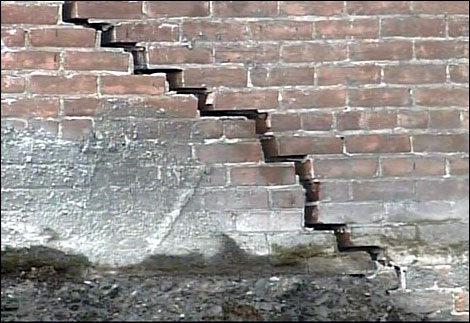
Satan casts out satan all the time in our divisive attempts to protect ourselves by demonising and expelling others.
A sermon in response to a broken relationship in the church