How did I end up at South Yarra Baptist? OR How knitting became my hobby
My journey has brought me to a place where I have begun to know the rest that Jesus offers.
My journey has brought me to a place where I have begun to know the rest that Jesus offers.
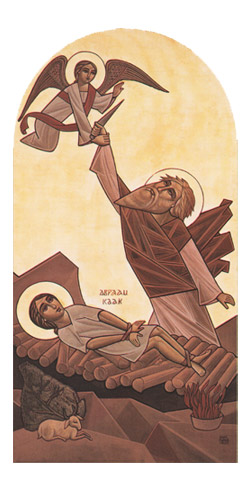
What we do with our children is one of the great tests of our faithfulness to the God of Jesus, and tragically, child sacrifice is common in our society.

In a world infested by terror and fear, Jesus tells us that becoming the victims of that world is not nearly as dangerous as becoming part of it.
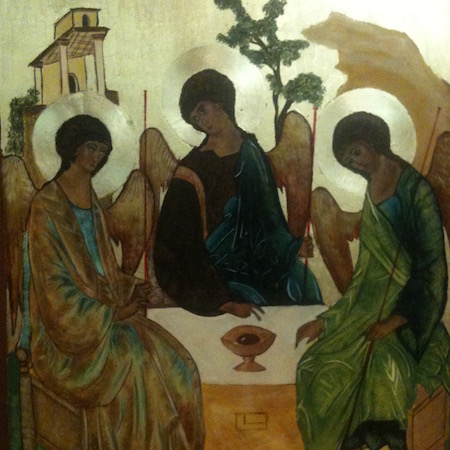
Baptism is to the Christian life as a wedding is to the married life – an ongoing symbol of the vowed and relational life in God.

The Spirit of Jesus unites us across previously hostile boundaries and teaches us a language of liberating love.

Allowing ourselves to be shaped by the teaching and testimony passed down from the Apostles protects us from falling for the idea that the gospel is a marketable means of gratifying our wishes.

Following Jesus has nothing to do with trying to be good. His love and hope are gifts, rather than demands, and they free us to love and hope freely.

True martyrs are those who are killed because their love, truthfulness and forgiveness are intolerable, not those who die killing for their cause.

Jesus gives us an abundance of all that we need, and when we learn to trust that, we are set free from rivalry and possessiveness and enabled to share generously.
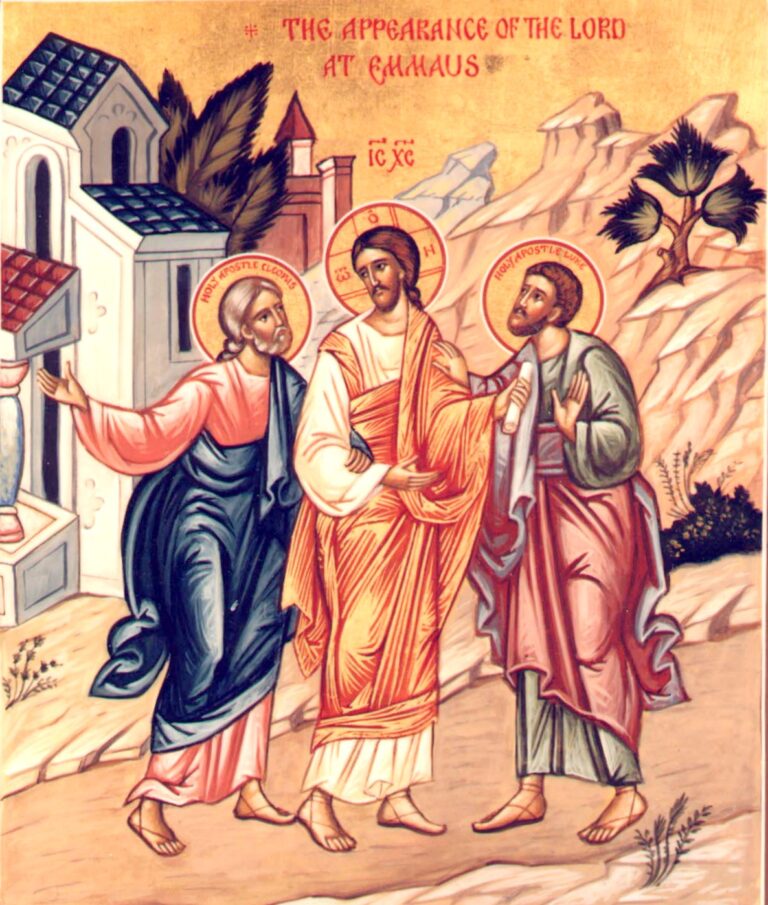
Meeting us on the road of despair, Jesus reveals to us that suffering and defeat are God’s means of bringing new life and hope.